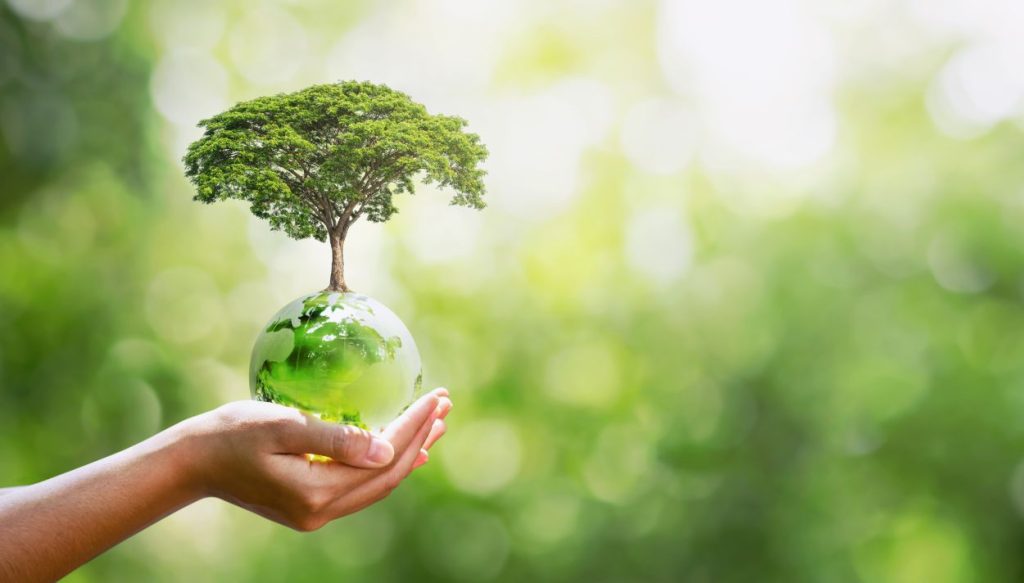
Prenez soin de vous et de la planète avec Ecothinking.
Vous trouverez des articles sur l’écologie, la maison, le jardin, le bien-être et la santé, ainsi que des conseils pour toute la famille. Rejoignez-nous dans notre engagement pour une vie plus durable et écologique.
A propos d’Ecothinking
Ecothinking est un blog créé par un groupe d’amis passionnés par l’environnement et le développement durable. Nous avons tous en commun un désir de contribuer à un monde meilleur et de partager nos connaissances et nos idées sur l’écologie avec un public large.
EcoThinking en 6 points
Engagement écologique
Protéger la planète est notre principale préoccupation et nous mettons tout en œuvre pour sensibiliser notre public aux enjeux environnementaux.
Conseils pratiques
Nous proposons des « astuces durables » pour intégrer la durabilité dans votre vie quotidienne de manière simple et accessible.
Produits écologiques
Nous réalisons des « tests écoresponsables » pour vous aider à trouver des produits respectueux de l’environnement et de votre santé.
Bien-être naturel
Nous vous proposons des « solutions naturelles » pour améliorer votre bien-être et votre santé de manière écologique.
Jardinage écologique
Nous vous donnons des « conseils de jardinage » pour créer un jardin durable et respectueux de l’environnement.
Famille éco-responsable
Nous vous proposons des « idées éco-famille » pour sensibiliser vos enfants à l’environnement et leur inculquer de bonnes habitudes durables.
Nos citations préférées !
Margaret Mead
« Le changement ne viendra pas si nous attendons que d’autres personnes agissent. »
Jacques-Yves Cousteau
« Il n’y a pas de planète de rechange. Nous n’avons qu’un seul monde et nous devons en prendre soin. »
Wangari Maathai
« Le respect de l’environnement ne signifie pas seulement protéger la nature, mais aussi protéger les gens. »
Antoine de Saint-Exupéry
« Nous n’hériterons pas de la terre de nos ancêtres, nous l’empruntons à nos enfants. »
Les derniers articles du blog

Le CBD un allié de premier choix au service de votre bien-être

Huile de CBD et effet d’entourage : Ne vous laissez pas tromper par les promesses du large spectre !

L’huile de CBD est un allié de premier choix contre le stress

Camping famille nature : choisir un établissement respectueux de l’environnement

Séjour famille nature : destinations et hébergements écologiques

Vacances famille nature : idées de séjours éco-responsables
Sortie famille montagne : profiter des plaisirs de la montagne en famille

Sortie famille nature : idées d’activités en plein air
Relation environnement santé : comprendre les liens et agir en conséquence
Centre de bien-être : choisir un lieu de détente et de ressourcement
Gestes économie énergie : adopter des pratiques éco-responsables